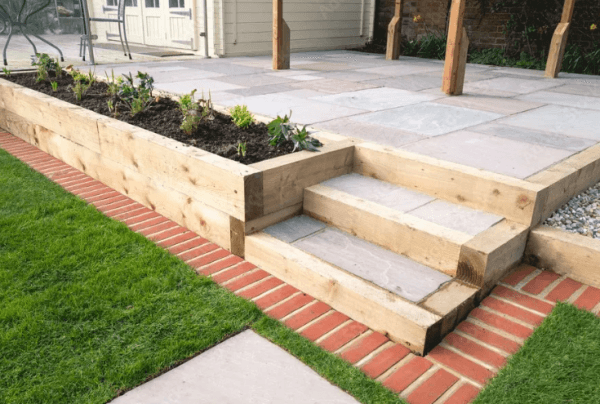
Transform Your Exterior with Weatherboarding and Cladding

Transform your exterior oq6kl

If you’re looking to enhance your home’s kerb appeal or give a building project a fresh, modern finish, weatherboarding and cladding are versatile and stylish solutions that also offer long-lasting protection from the elements. At Chandler Materials, we stock a wide range of cladding options, including the renowned Cedral range – perfect for both contemporary and traditional designs.

Why Choose Cladding or Weatherboarding?

Cladding serves as a protective outer layer for your building, shielding it from wind, rain, and other environmental factors. But beyond its functional benefits, cladding also gives you the opportunity to completely transform the appearance of a property. Whether you’re working on a new build, a renovation, or simply updating a tired exterior, weatherboarding can deliver a sleek and durable result that stands the test of time.

Discover Cedral – A Name You Can Trust

At Chandler Materials, we’re proud to stock Cedral fibre cement cladding, known for its premium quality, low maintenance, and stunning finish. Cedral is designed to replicate the natural look of timber, but without the upkeep issues that come with traditional wood cladding. It won’t rot, warp or fade, making it an excellent choice for UK homes.
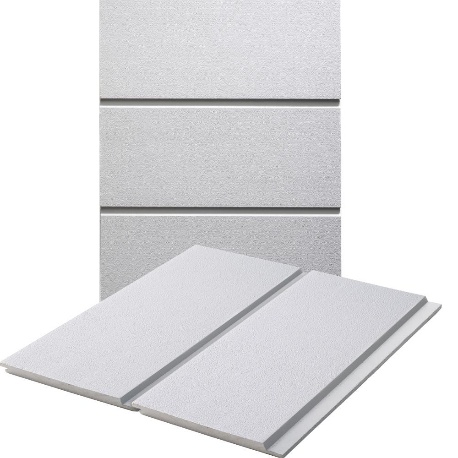
Cedral Lap

You can choose from Cedral Click for a modern flush finish or Cedral Lap for a more classic overlapped look. The boards can be fitted both horizontally and vertically, depending on the style you’re going for – offering complete flexibility whether you’re cladding a whole house or creating an accent wall.
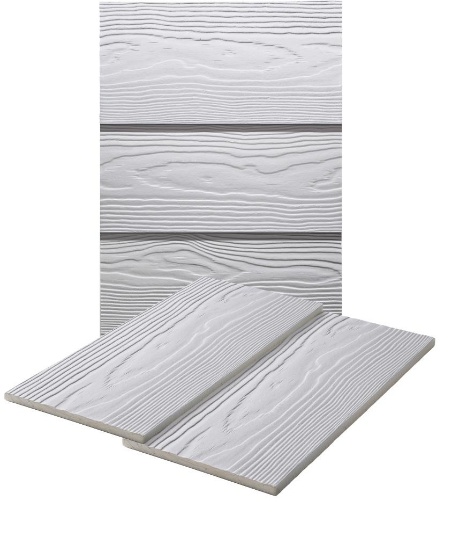
Cedral Click

A Wide Range of Colours and Styles

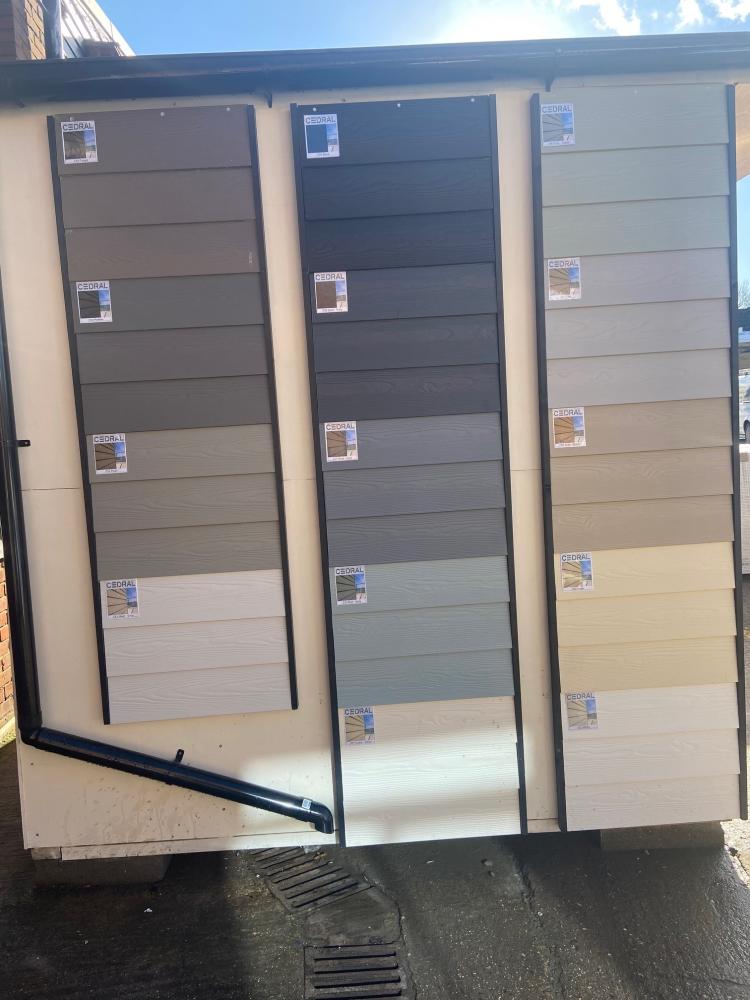
Cedral comes in an extensive palette of colours, from subtle neutrals and coastal tones to bold, contemporary shades. Whether you want to make a statement or blend into the natural surroundings, there’s a colour and texture to suit every project.

Visit us at Chandler Materials to explore the full colour range in person – and our experienced team will be happy to advise on the best style and finish for your job.
In Stock and Ready to Go

We keep a wide selection of Cedral weatherboarding and accessories in stock at Chandler Materials, with options for delivery or collection to keep your project moving on schedule. Whether you’re a tradesperson or a homeowner looking to DIY, we can help source everything you need to get the job done!
Planning Your Garden Layout: Design Ideas

CA010220

How to Plan Your Garden: A Step-by-Step Guide to Your Outdoor Space

Whether you’re starting with a blank canvas or refreshing a tired outdoor space, knowing how to plan your garden properly is the difference between a space you love and one that frustrates you every summer. This step-by-step guide walks you through everything, from getting your ideas down on paper to choosing the right hard landscaping materials to bring it all together.

Grab a sheet of paper (graph paper if you have it, regular A4 will do), a measuring tape, and let’s get started.

First Steps: Assess What You’ve Got

Before you decide how to use your garden space, spend time understanding it as it is right now. A good garden plan is built on knowing what you’re working with, not just what you want it to look like.

Walk around it at different times of day and take note of:

  • How much sunlight each area gets. Does it get full sun, partial shade, or deep shade? Different areas of the same garden can vary dramatically.
  • Drainage. Where does water pool after rain? Are there slopes that funnel water toward the house or a seating area?
  • What’s already there. Established trees, existing paths, or structures you want to keep will all shape your design.
  • Access. How will materials and equipment get in during the build? This matters more than people expect.

Understanding these basics will save you a lot of grief later when you’re making decisions about surfaces, levels, and layout.

Put Your Plans on Paper

The next step is to sketch your garden to scale. You don’t need to be an architect; just pace out or measure the boundaries and note them down. Mark on your sketch:

  • The position of the house and any doors or windows that look out onto the garden layout are crucial for creating a cohesive space.
  • Existing features (trees, fences, sheds, paths)
  • North-facing direction, so you can work out where sunlight falls throughout the day
  • Any slopes or changes in level

Now you can start mapping out different zones. Think about how you want to use the space:

  • Closer to the house: a patio, seating area, or composite decking works well here, keeping entertaining spaces accessible and easy to flow to from indoors
  • Middle sections: lawn, raised beds, borders, or a kitchen garden
  • Further from the house: a more relaxed planting scheme, a pergola or trellis for structure and greenery, or storage and utility space

Thinking in zones like this helps you arrive at a cohesive look rather than a collection of unrelated ideas. It also makes it much easier to work out your paving and surface requirements early, so you can budget and order materials before the season gets busy.

Things to Consider Before You Start Buying Materials

Getting the planning right before you order anything will save you time, money, and plenty of frustration on site. Here are the key things to work through:

Levels and Ground Preparation

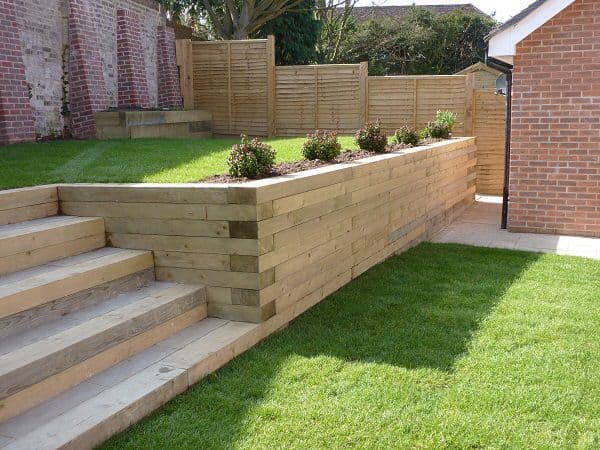
If your garden slopes, you’ll need to decide early whether you’re cutting into the slope, building up with raised sections, or a mix of both. Garden sleepers are a practical and good-looking solution for retaining terraced levels or creating raised beds. Sort your levels before you finalise any surface choices.

Drainage

Hard surfaces need somewhere for water to go. If you’re laying a large paved area, you’ll need to think about falls, drainage channels, or permeable options. Getting this wrong is one of the most common and costly mistakes in garden landscaping.

How You’ll Actually Use the Space

A garden that looks great in a design sketch but doesn’t suit how you live in it will always feel like it’s missing something. Be honest about whether you need:

  • Space for outdoor dining and entertaining
  • A low-maintenance surface that’s easy to keep clean is essential in any garden layout.
  • Room for kids or pets to run around
  • Separate zones for relaxing, gardening, and storage

Access for Materials and Trades

Think practically about how materials will get to site. Paving slabs, Decking boards can be integrated into your garden design for a seamless transition between indoor and outdoor spaces., and sleepers are heavy and bulky. If access is tight, this can affect what’s feasible and how long the job takes.

Landscape Design: Choosing Your Hard Landscaping

The hard landscaping elements are the foundation of any garden project. Get these right and everything else, including planting and furniture, falls into place around them.

Paving

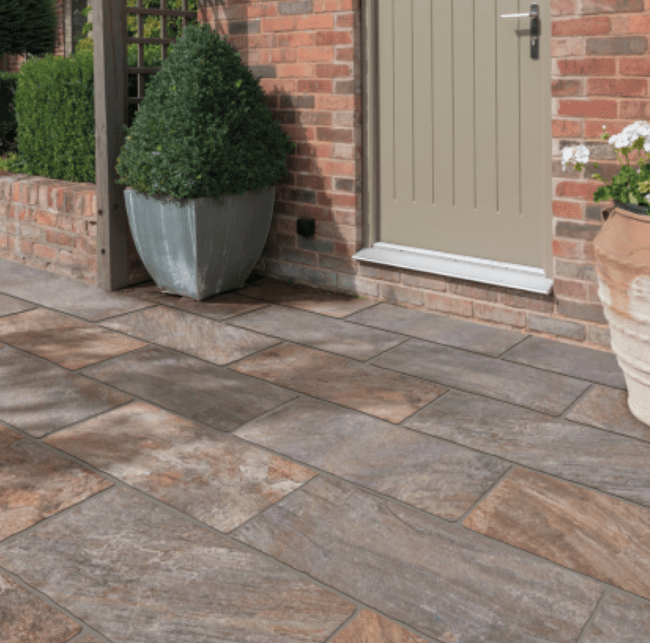
Paving defines the feel of the whole space in your garden design more than almost anything else. A contemporary large-format porcelain patio reads very differently to a traditional textured stone path. When choosing, think about how you plan a garden that suits your lifestyle and preferences.

  • The style of your house. Modern properties suit clean, large-format slabs. Older or period homes often suit more natural, textured finishes.
  • Colour and tone. Will it complement or contrast with your walls, fencing, and other materials?
  • Practicality. Some surfaces need more maintenance than others. Smooth porcelain can be slippery when wet; textured slabs hide dirt better.

You can browse our full paving range at Essex TP Chandlers, including Bradstone ranges available to view in person or on our landscaping displays at our Southend or Chelmsford branches.

Decking: Softwood vs Composite

Decking is a great option for creating level outdoor living space, especially on sloped plots or where you want to raise a seating area. The main decision is material:

  • Softwood decking is affordable and looks great when new, but requires regular treating to prevent rot and splitting over time.
  • Composite decking costs more upfront but is genuinely low maintenance and resistant to rot, fading, and insect damage. Brands like NewTechWood give you the look of natural timber without the ongoing upkeep, making it a strong choice for busy households.

Garden Sleepers

Sleepers are one of the most versatile landscaping materials available. Use them to retain terraced levels on a sloped garden, build raised beds, edge a path, or add structure to a border. Essex TP Chandlers stock a range of garden sleepers suited to both functional and decorative applications.

Pergolas and Trellis

If you want to add height, shade, or a sense of enclosure to part of your garden, a pergola or trellis is worth planning in from the start rather than bolting on later. A pergola over a seating area creates a defined outdoor room. A trellis along a fence line can soften a boundary and add structure without taking up much ground space.

A Quick Checklist Before You Start Buying

Before you head to the merchant, run through these:

  1. Have you sketched your garden to scale and noted sun, shade, and drainage?
  2. Have you decided on your zones: entertaining, lawn, planting, storage?
  3. Have you sorted your levels and ground preparation plan?
  4. Have you settled on a paving or decking style that suits the house and your maintenance appetite?
  5. Do you know whether you need sleepers, a pergola, trellis, or other structural elements?
  6. Have you accounted for site access for materials and trades?

Getting all of this clear before you start spending makes the whole project run more smoothly and means far less second-guessing once work begins.

See Materials In Person Before You Decide

Colours, textures, and finishes all look different in person to how they appear on a screen or in a brochure. We have landscaping displays at our Southend and Chelmsford branches where you can compare options side by side and talk to our team about what will work for your project.

Our full landscaping and fencing range covers paving, decking, sleepers, and more: everything you need to turn your plan into a finished garden.

Good planning is what separates a garden that works from one that’s a constant source of frustration. Take the time to get it right on paper first and the build will be far more straightforward.

Redefine Your Garden: Fencing, Pergolas & Finishing Touches That Transform Outdoor Spaces

Redefine your garden hcgyl

There’s something quietly transformative about stepping into a garden that feels considered, structured, and inviting. Not overdesigned, not overly polished—but balanced. A space where materials, textures, and features work together to create somewhere you actually want to spend time.

Fencing, arbours, pergolas, and trellis often sit in the background of garden design conversations, yet they’re some of the most powerful elements when it comes to reshaping an outdoor space. With the right choices, they can completely redefine how your garden looks, feels, and functions.

Framing Your Space with Purpose

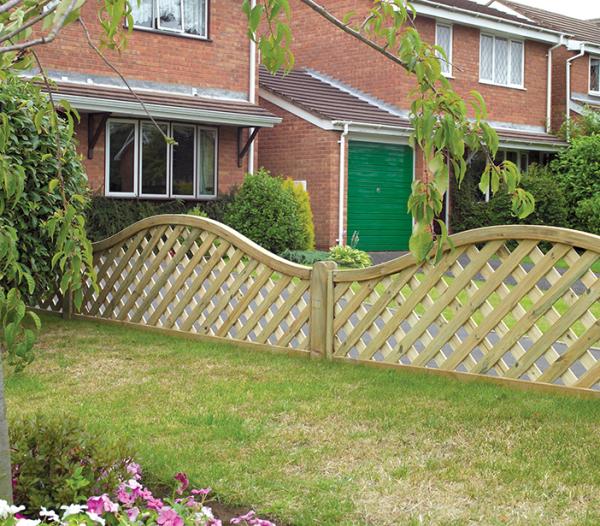
Fencing is no longer just about boundaries. It’s about framing your garden—creating a backdrop that enhances everything in front of it. Whether you lean towards a clean, contemporary look or something softer and more traditional, the style of fencing you choose sets the tone for the entire space.

The beauty of the Grange range is the variety. From decorative panels that add visual interest to more solid designs that offer privacy and structure, there’s flexibility to match your vision rather than forcing you into a one-size-fits-all solution. It’s these details that turn a garden from functional into thoughtfully designed.

Creating Moments with Arbours and Pergolas

If fencing defines the edges, arbours and pergolas create the moments within.

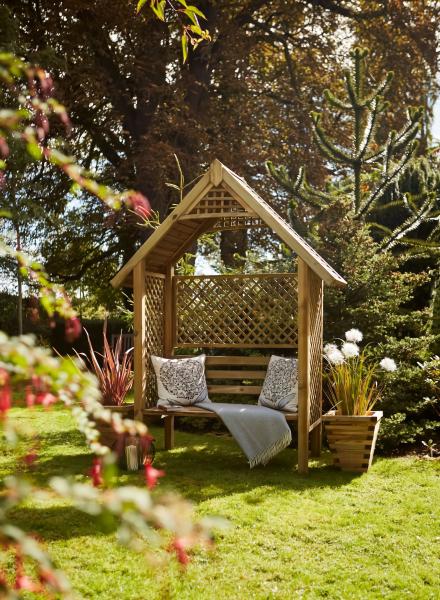
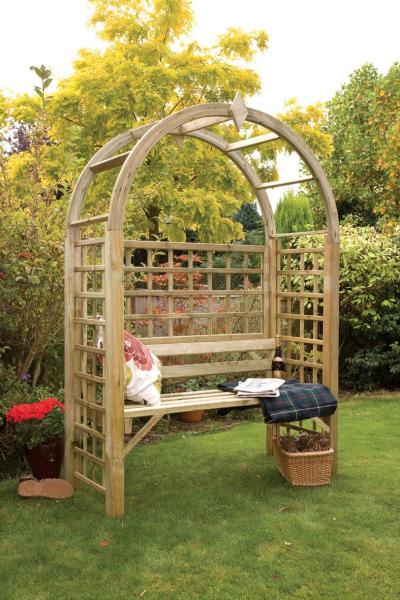
An arbour can transform a simple pathway into something far more inviting—an entrance, a feature, a place that draws you through the garden. Pergolas, on the other hand, introduce height and presence. They create zones, whether that’s a shaded seating area, a dining spot, or simply a focal point that adds architectural interest.

Climbing plants, soft lighting, or even left natural, these structures evolve with your garden over time. They don’t just sit in the space—they become part of how you experience it.

Trellis: The Subtle Game-Changer

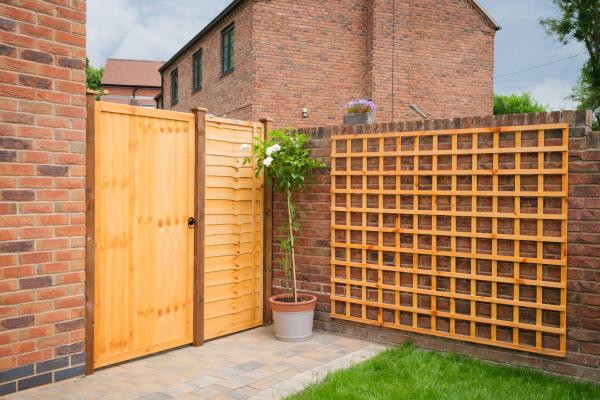
Trellis is often overlooked, but it’s one of the most versatile elements you can introduce. It softens hard lines, adds texture, and gives planting a vertical dimension that can make even smaller gardens feel more layered and considered.

Used above fencing, as standalone panels, or integrated into features, trellis helps blur the line between built structure and planting. It’s a simple addition, but one that can completely change the feel of a space.

Making It Happen

These kinds of upgrades are often overlooked when planning a garden refresh, but they’re some of the most impactful changes you can make.

At Chandler Materials, we can supply and source a wide range of Grange fencing, arbours, pergolas, and trellis options to suit different styles and layouts. While we hold a selection of products on the ground, you can also explore these features within our landscaping displays—helping you visualise how they might work in your own space.

And if you’re after something specific, there’s a much wider range available to order. It’s not always the first thing people think of when visiting a builders merchant, but it’s an area where we can offer far more than expected.

Find Your Inspiration

If you’re planning a garden refresh, there’s no substitute for seeing these features up close.

Visit our landscaping displays at our Chelmsford & Southend branches to explore different styles, layouts, and combinations in person. It’s the perfect way to gather ideas, compare options, and start shaping a space that works for you.

Let the Light In This Summer with Velux Windows

Let the light k8h2k

Let the Light In This Summer with Velux Windows

As summer approaches and the days grow longer, now is the perfect time to maximise natural light in your building projects. One of the best ways to do this? Velux windows – the gold standard in roof window design.

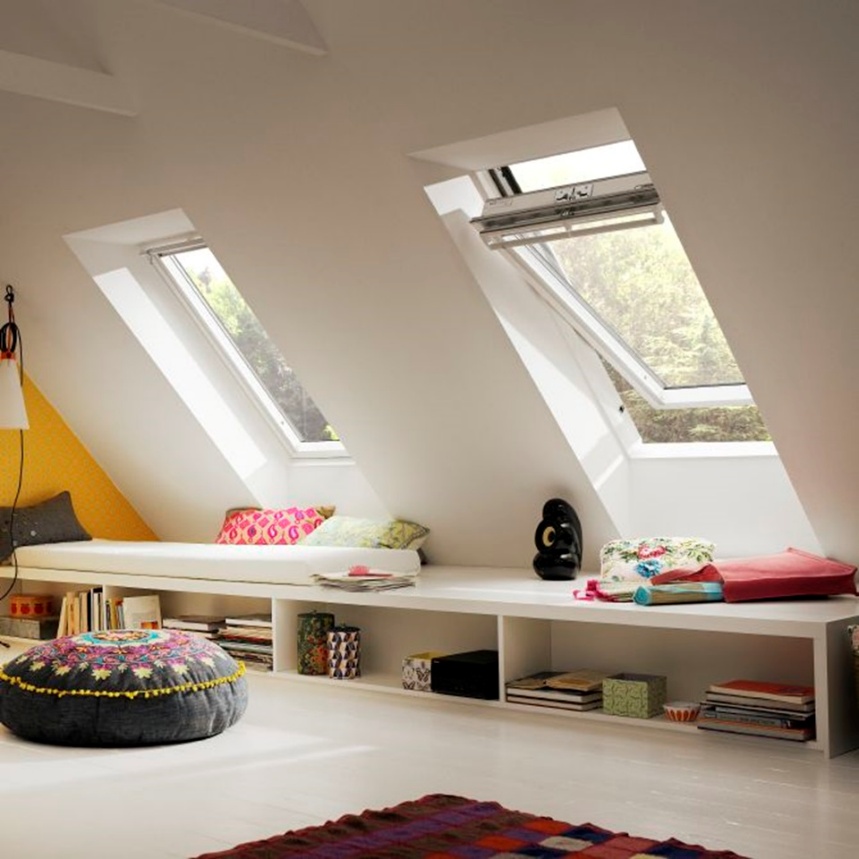
At Chandler Materials, we stock a wide range of Velux Manual White Maintenance-Free Roof Windows, and we can source any Velux product you need to suit your exact specification. Whether you’re working on a loft conversion, extension, or new build, Velux windows offer a practical and stylish way to bring more daylight and fresh air into your spaces.

Why Choose Velux?

Velux windows are designed to do more than just let light in – they transform living spaces. Here’s why so many of our trade and self-build customers choose Velux:

Increased natural light: Make the most of the longer summer days. Velux roof windows flood interiors with daylight, creating brighter, more welcoming environments.

Better ventilation: Keep cool as temperatures rise. Velux’s intuitive design makes it easy to control airflow and maintain a comfortable indoor climate.

Thermal efficiency: Built to the highest standards, Velux windows help keep energy costs down by reducing the need for artificial lighting and cooling.

Sleek, modern appearance: Whether you’re building contemporary or traditional, Velux has a style to suit every aesthetic.

Everything You Need, All in One Place

At Chandler Materials, we don’t just offer Velux windows – we’re here to support your entire project. From insulation and timber to bricks, drainage, fixings, and more, we can supply everything you need to get the job done, delivered straight to site.

Working on a tight timeline? Let us know what you need and we’ll source it quickly and efficiently – helping you stay on schedule without compromise

Ready to Let the Light In?

Pop into our Chelmsford branch or give us a call to talk through your requirements – our team is here to help with advice, pricing, and availability & if you need a specific Velux product, just ask – we can source it for you.

Supporting Local Sport: Chandler Material Supplies Teams Up with Galleywood Cricket Club

Supporting local sport o8d8q

At Chandler Material Supplies, we believe community support goes beyond simply supplying materials — it’s about building connections, backing local initiatives, and helping projects that make a real difference. That’s why we’re proud to have recently supported Galleywood Cricket Club with a donation of outdoor paints and wood preservers as part of their continued redevelopment journey.

As part of their springtime spruce-up, the Club reached out with news of exciting changes. With the help of a grant from the Rural Prosperity Fund via Chelmsford City Council, they’ve successfully transformed their bar and bar storage areas. And with even bigger plans in motion — including a major redevelopment application for their Clubhouse submitted to the Football Foundation — it’s an exciting time for the Club and the wider Galleywood community.

This partnership isn’t just about maintaining a clubhouse — it’s about backing an organisation that provides incredible opportunities for people of all ages and backgrounds. Galleywood Cricket Club now proudly runs:

  • 12 Youth Teams, including two dedicated Girls’ Teams
  • A growing programme for 5-8 year olds, with over 40 young cricketers already signed up
  • Dedicated Girls-only training for 8-11 year olds, running alongside mixed training groups
  • A thriving Women’s Team, gearing up for their second full league season
  • And, impressively, a newly formed Saturday 4th Team, with aspirations of fielding five teams on Saturdays this year!

Their continued growth and commitment to grassroots sport is something we deeply admire. From helping youngsters discover a love for the game to supporting women’s participation in cricket, Galleywood Cricket Club is creating real impact — and we’re proud to be part of their journey.

How to Fit Timber Sleepers for a Garden Path with Steps

How to fit zrd78

Timber sleepers are an excellent choice for creating garden paths with steps, especially on sloped or uneven ground. They provide a strong, durable, and natural-looking solution that works perfectly in both traditional and contemporary garden designs. Sleeper steps can help improve access around the garden while adding structure and character to outdoor spaces.

Whether you are building a simple pathway through a lawn or creating stepped access on a steep incline, timber sleepers offer a practical and attractive landscaping option.

Why Use Timber Sleepers for Garden Steps?

Timber sleepers are widely used in landscaping because they are sturdy, versatile, and easy to work with. When used for pathways and steps, they help create clear walkways while preventing soil movement on sloping gardens.

Benefits of using timber sleepers for paths and steps include:

âś…Strong and durable construction
âś…Natural rustic appearance
âś…Ideal for sloped gardens
âś…Easy to install and maintain
âś…Excellent for defining pathways
âś…Suitable for gravel, bark, or decorative stone infill

Tools & Materials You May Need

Before starting your project, make sure you have the correct materials and equipment ready.

Materials

  • Treated timber sleepers
  • MOT Type 1 or hardcore
  • Gravel or decorative aggregate
  • Timber screws or rebar
  • Wooden stakes or support posts
  • Weed membrane (optional)
  • Tools
  • Spade or shovel
  • Spirit level
  • Tape measure
  • Drill and sleeper screws
  • Saw (if cutting is required)
  • Rubber mallet
  • String line

Step 1 – Plan the Path & Steps

Start by planning the route of your pathway and identifying where the steps will be needed. Measure the slope carefully and work out how many steps are required.

Mark the pathway using string lines, spray marker paint, or wooden pegs. Ensure the width of the path is practical for walking comfortably.

A gradual and even step height is important for both safety and appearance.

Step 2 – Prepare the Ground

Remove grass, weeds, loose soil, and debris from the area. Dig out the path and step sections to create a stable base.

For each step, excavate slightly into the slope so the sleeper can sit securely and level.

Compacting the ground before installation will help prevent movement over time.

Step 3 – Install a Solid Sub-Base

Add a layer of MOT Type 1, hardcore, or compacted gravel to the excavated areas. This creates a strong foundation and improves drainage.

Use a spirit level to ensure each step base is level from side to side.

A stable base is essential to prevent the sleepers from shifting once installed.

Step 4 – Position the Timber Sleepers

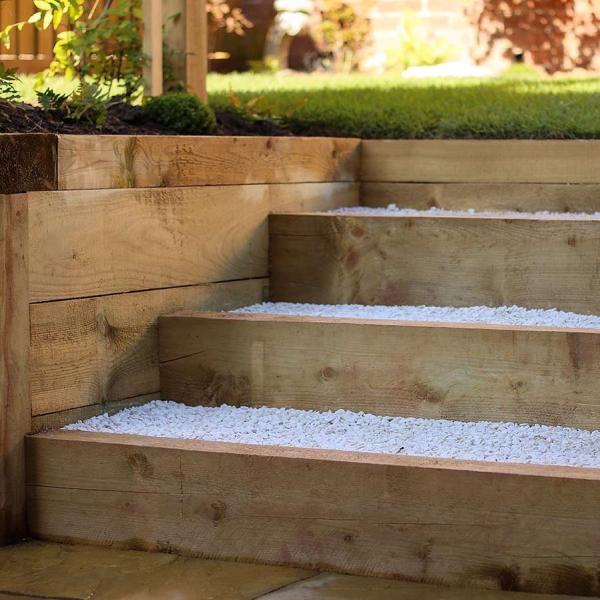
Lay the timber sleepers horizontally to form the front edge of each step. Check alignment and levels carefully as you work your way up the slope.

The sleepers can be secured using:

  • Long sleeper screws
  • Steel rebar driven through drilled holes
  • Timber stakes positioned behind the sleepers

For larger or steeper projects, additional support posts may be required.

Step 5 – Create the Step Treads

Once the front sleeper for each step is secure, backfill behind it using compacted gravel, decorative stone, or soil depending on the finish you want.

Many garden pathways use:

Gravel
Decorative aggregates
Bark mulch
Paving slabs
Compact stone

Ensure each step tread is firm, level, and drains properly.

Step 6 – Finish the Pathway

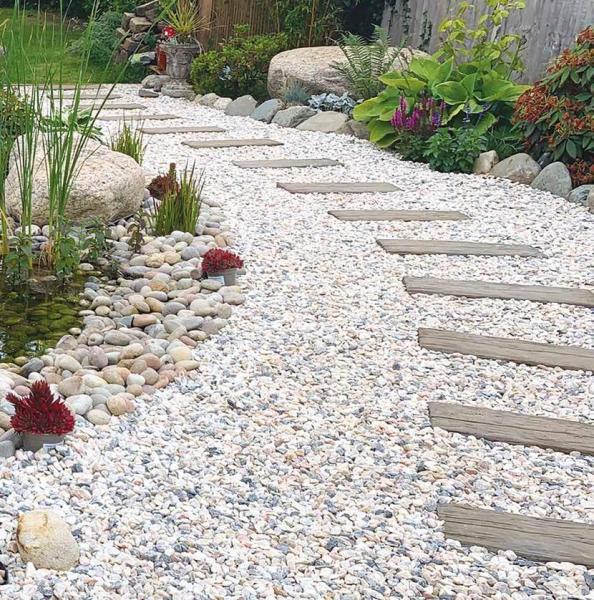
Complete the remaining sections of the path between the steps using your chosen surface material.

You may also wish to add:

  • Path edging
  • Planting borders
  • Solar lighting
  • Decorative stone features

This helps tie the entire landscaping project together while improving the overall appearance.

Helpful Tips for Sleeper Steps

  • Use pressure-treated sleepers suitable for landscaping projects
  • Keep step heights consistent for safer walking
  • Allow for proper drainage to prevent standing water
  • Use galvanised or corrosion-resistant fixings outdoors
  • Check levels regularly during installation
  • Consider adding a weed membrane beneath gravel pathways
  • A Practical & Attractive Garden Solution

Timber sleeper paths with steps are a practical way to improve accessibility in sloped gardens while creating a stylish landscaping feature. Their natural appearance blends beautifully into outdoor environments and works well alongside lawns, patios, planting areas, and decorative aggregates.

With the correct preparation and installation, timber sleeper steps can provide a long-lasting and visually appealing solution for almost any garden project.