Loose Aggregates Available at Chandler Materials – Wide Supply, Fast Local Delivery
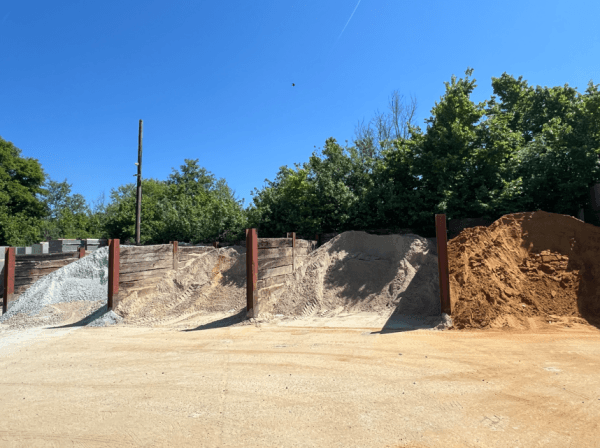
Loose aggregates available vd0qh

At Chandler Materials, we understand that having the right materials, exactly when you need them, is essential to keeping your projects running smoothly. That’s why we offer a comprehensive range of loose aggregates, available for both collection and delivery, with flexible options to suit jobs of all sizes.

Whether you’re working on a large-scale build or a smaller landscaping project, our aggregates can be supplied in maxi bags, bulk bags, or loose loads, giving you complete control over how much you order and how it’s delivered.

Our Chandler Materials Chelmsford branch is fully stocked with key essentials including ballast, building sand, sharp sand, and cement. These core materials are always readily available, ensuring you can get what you need without unnecessary delays. For customers operating closer to Southend, we’ve streamlined our internal logistics to offer super-fast transfer and delivery from Chelmsford into our Southend branch. This means you benefit from extended stock availability across both locations, without compromising on speed.
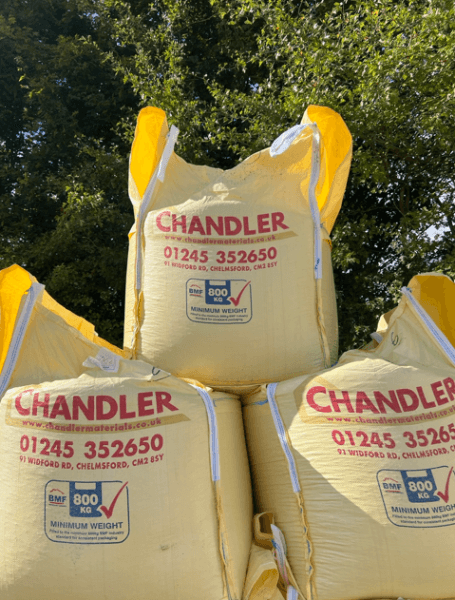
We take pride in offering a reliable and local delivery service that you can depend on. Our experienced drivers understand the importance of timing on-site, and we work hard to ensure deliveries are prompt, efficient, and handled with care. Whether you need a single bulk bag dropped off or a larger quantity of loose aggregate delivered directly to your site, we’ve got the capability and local knowledge to make it happen.
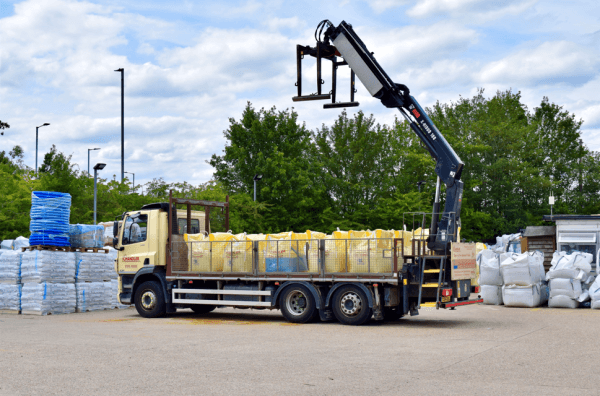
Choosing Chandler Materials means choosing convenience, flexibility, and service you can trust. With strong stock levels, quick inter-branch support, and a delivery team that knows the local area inside out, we’re here to keep your projects moving—on time and on budget.

If you’re planning your next job and need aggregates you can rely on, get in touch with the team today or visit your nearest branch to see how we can help.

v
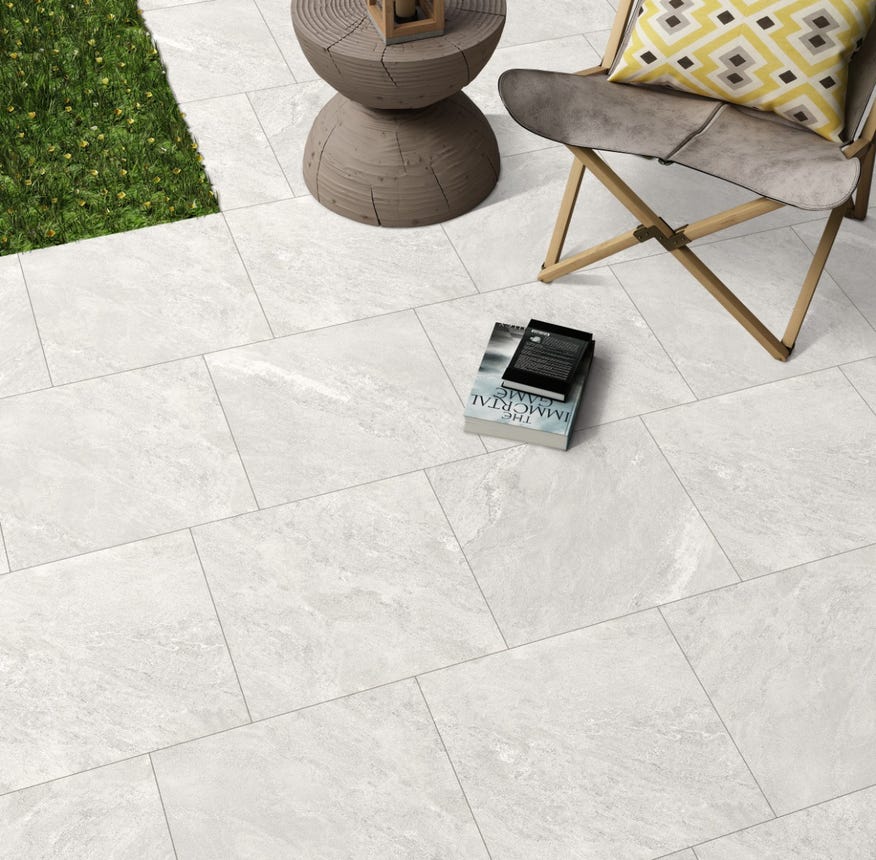
Porcelain vs. Sandstone Paving: What’s the Difference and How Do You Lay Them?

Porcelain vs sandstone 0vs22

If you’re planning a new patio, driveway, or garden path, choosing between porcelain paving and sandstone paving can feel overwhelming. Both are popular choices, but they each offer unique advantages depending on your style, budget, and intended use.

Here’s a clear, practical guide to the key differences between porcelain and sandstone paving and how to lay each type correctly to achieve a durable, attractive finish in your garden.

What Is Porcelain Paving?

Porcelain paving slabs are manufactured from refined clay, fired at high temperatures to create a hardwearing, low-porosity slab that is resistant to staining, algae growth, and fading. They come in a wide range of colours and finishes, from contemporary grey tones to stone and wood effects.

Key benefits:

  • Low maintenance and easy to clean
  • Highly resistant to frost, moss, and algae
  • Consistent colours and finishes
  • Non-porous surface reduces water absorption

What Is Sandstone Paving?

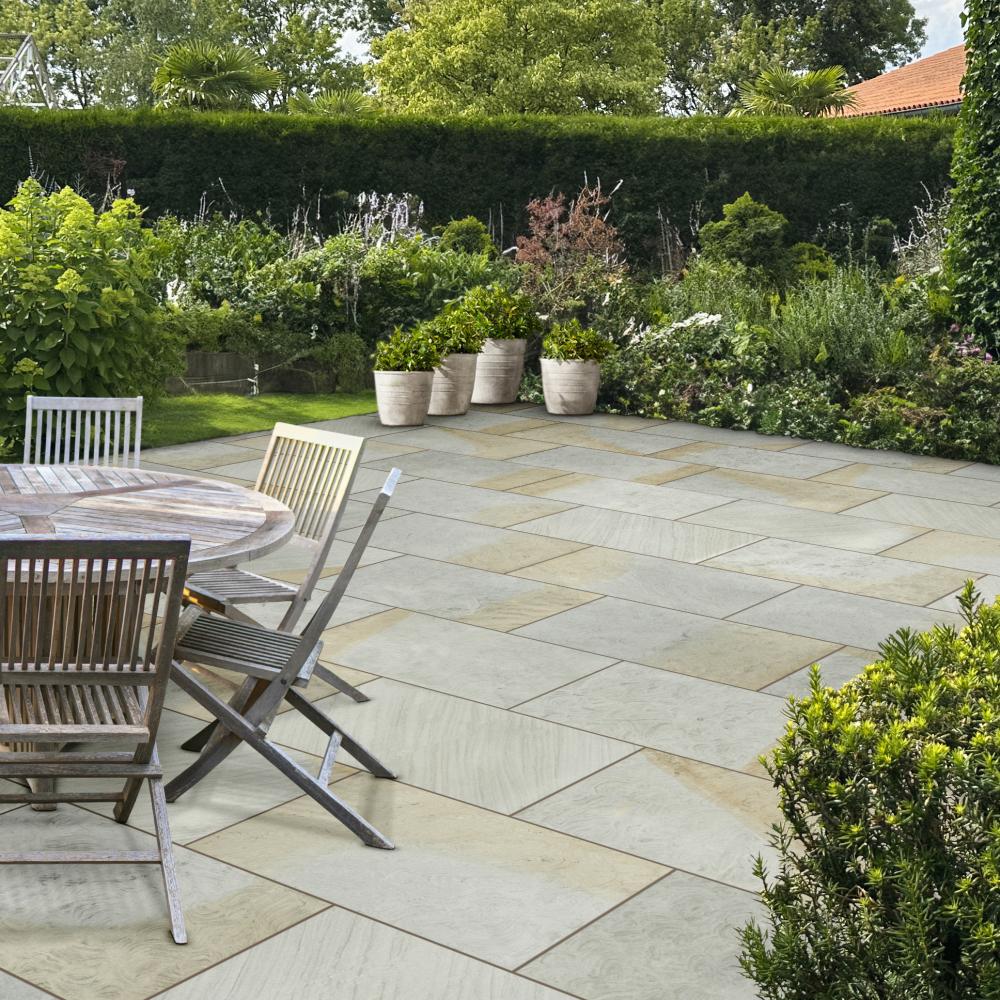
Sandstone paving is a natural stone product formed over thousands of years, offering unique colour variations, veining, and a more traditional appearance. It is porous, allowing water to seep through, and will weather naturally over time, adding character to your outdoor space.

Key benefits:

  • Natural beauty with unique patterns and colours
  • Provides a traditional or rustic aesthetic
  • Can be sealed to help reduce staining
  • Offers good slip resistance when wet

The Visual Differences

  • Porcelain paving often looks more uniform, with modern styles suited to contemporary gardens and outdoor living areas.
  • Sandstone paving offers warm, earthy tones that blend seamlessly into natural surroundings, making it ideal for cottage gardens and traditional properties.

How to Lay Porcelain Paving

Porcelain paving requires correct installation for durability and safety, as its low porosity means it needs a solid, stable base and appropriate priming to bond.

  1. Prepare the base
    Excavate to the required depth (usually 150-200mm depending on ground conditions) and lay a compacted sub-base of MOT Type 1 or similar.
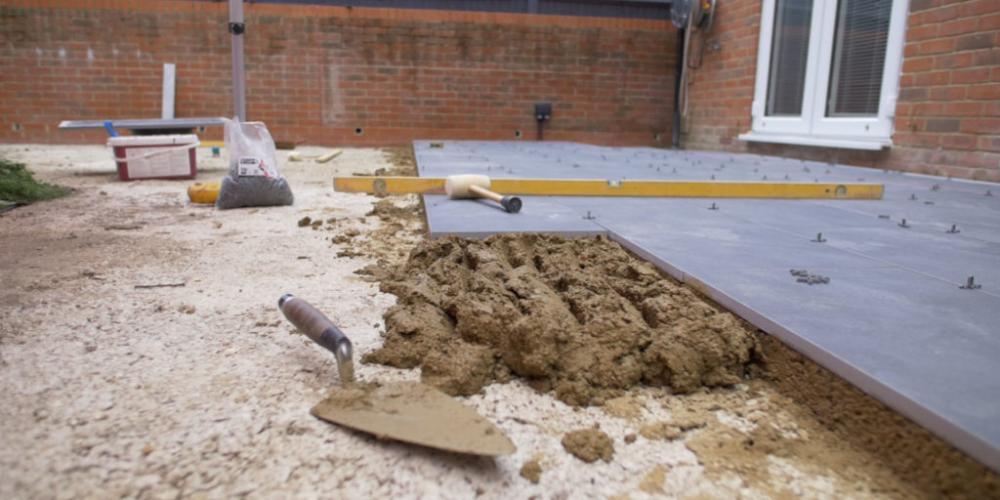
  2. Apply a full mortar bed
    Porcelain slabs should always be laid on a full mortar bed (5:1 sharp sand to cement mix) around 30-40mm thick to prevent movement and cracking.
  3. Use a slurry primer
    Back-butter each slab with a porcelain primer slurry to improve adhesion to the mortar bed.
  4. Lay the slabs with a slight fall
    Ensure a fall of around 1:80 away from buildings for drainage.
  5. Jointing
    Use a suitable outdoor grout or jointing compound, ensuring joints are fully filled to prevent water ingress.

How to Lay Sandstone Paving

Sandstone paving can be laid using both full bed and spot-bedding methods, although a full mortar bed is recommended for stability and to prevent slabs from rocking.

  1. Prepare the sub-base
    Dig down to a suitable depth and lay a compacted MOT Type 1 base layer.
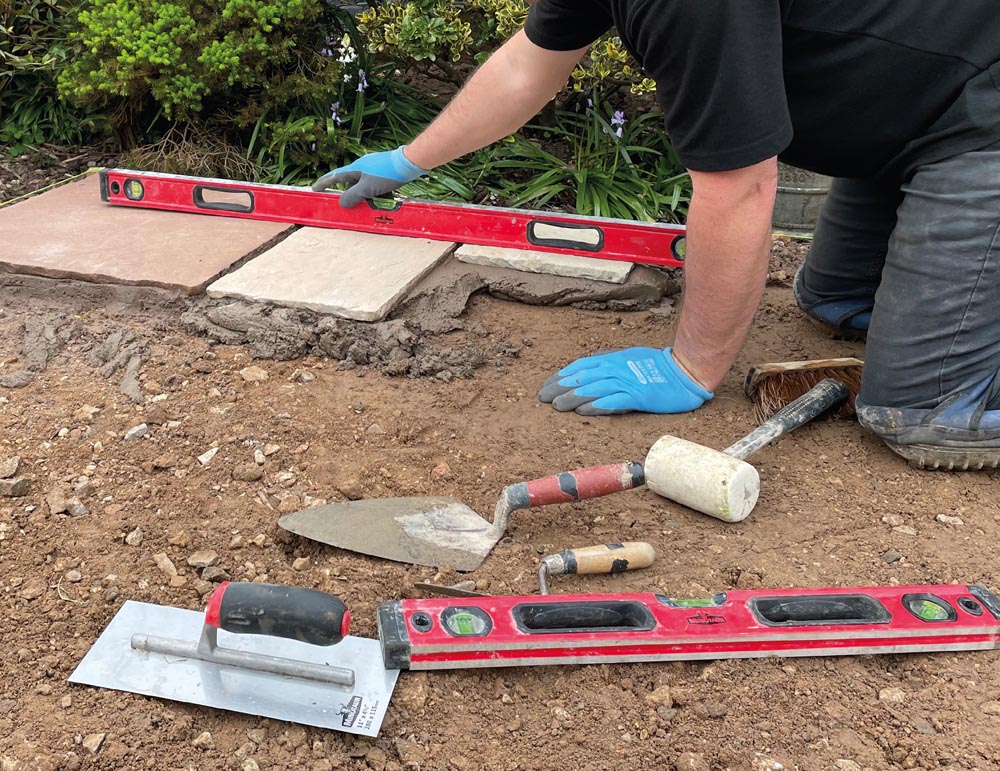
  2. Full mortar bed
    Lay the sandstone slabs on a full mortar bed, using a 5:1 sharp sand and cement mix.
  3. Positioning and levelling
    Tap down with a rubber mallet to level each slab while maintaining a consistent joint gap (typically 10-15mm for sandstone).
  4. Jointing
    Once the paving has set, joints can be filled with a traditional sand and cement mortar mix or a ready-made jointing compound.
  5. Sealing (optional)
    Sealing can enhance colours and help prevent stains but is optional depending on the finish you desire.

Which Paving Should You Choose?

  • Choose porcelain paving if you want a low-maintenance, modern look, with high stain resistance and consistent colours.
  • Choose sandstone paving if you prefer a natural, traditional appearance with variation in tones and textures.

Both paving options can transform your outdoor space beautifully when installed correctly, providing a long-lasting, functional, and attractive area for relaxing or entertaining.

Visit our Chelmsford branch to view our paving displays and get practical advice tailored to your project. We offer free local delivery and can source specialist paving on request.

Chandler Materials’ £20,000 Pledge in Building Materials to Support CHESS Homeless’s Turning Point Project

Chandler materials 20000 e01ha

At Chandler Materials, we’re proud to announce a pledge of ÂŁ20,000 worth of building materials to CHESS Homeless for their innovative “Turning Point” development in Stock. This pioneering project will see the transformation of an old motel site into 24 modular, self-contained homes, providing essential, independent living spaces for single adults experiencing homelessness. Supporting projects that give back to the community is a core value for us as a family-run business, and we are honoured to contribute building supplies to such an important cause.

Turning Point: A New Vision for Independent Housing

With the Turning Point project, CHESS Homeless is taking an inspired approach to addressing homelessness in our region. By replacing the nine existing units at the Stock site with 24 modular homes, CHESS is creating private, self-contained spaces where residents can address personal challenges and build essential life skills in a stable environment. On-site support staff will be available to guide individuals through these vital transitions, ensuring they receive the help needed to overcome the root causes of their homelessness.

Our donation of materials will aid in the construction of these modular units, which can be completed quickly—within as little as 10 days—ensuring that new residents can move in sooner. Furthermore, these homes are adaptable for people with disabilities, offering a truly inclusive housing solution that fosters independence and dignity.

No photo description available.

Building with Purpose: Accelerating Change with Local Partners

The modular housing project is set to meet a strict timeline due to funding from the “Single Homeless Accommodation Programme” (SHAP), a collaboration between the Department of Levelling Up, Housing and Communities (DLUHC) and Homes England. Choosing modular construction allows CHESS to proceed with building the units alongside groundwork preparation, streamlining the process to ensure the project is operational by March 2025. Local partner Morgan Sindall Infrastructure has also generously offered to assist with site preparation, including concrete removal, laying foundations, and establishing wastewater management for the site. This collaboration exemplifies the power of local partnerships in achieving impactful, community-driven goals.

Investing in Long-Term Community Support

Beyond housing, CHESS Homeless has a proven record of making a substantial social and economic impact, delivering ÂŁ5.6 million in value from ÂŁ1.4 million in operating costs over the past year alone. With the completion of Turning Point, this value will only increase, not only benefiting those they support but also strengthening the community as a whole.

Our pledge of building materials reflects Chandler Materials’ wider commitment to giving back. As a local, family-run business, we are proud to stand behind initiatives that provide lasting benefits for our communities, and we look forward to continuing our support of CHESS Homeless and other local charities. Working together, we believe we can make a meaningful difference in the lives of those who need it most.

For more details on CHESS Homeless and their work, or to get involved, please visit their website at chesshomeless.org.

How to Install & Maintain Garden Fencing: A Guide from Chandler Materials

How to install djk3n

Transform Your Garden with Fencing & Trellis – When & How to Do It Right

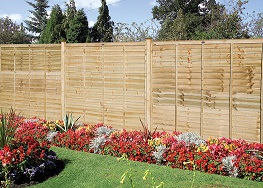
Whether you’re creating privacy, securing your boundary, or adding structure and charm to your outdoor space, installing fencing and trellis is one of the most effective ways to upgrade your garden. At Chandler Materials, we supply high-quality fencing products from trusted names like Grange Fencing, helping both trade professionals and homeowners get the job done properly.

When’s the Best Time to Install Fencing or Trellis?

The ideal time of year to install fencing is during the late winter to early spring months (February–April). The ground is soft enough for digging post holes, yet not so dry and hard as in high summer. Plus, installing before the main growing season allows any plants or climbers to quickly establish along your new trellis.

That said, autumn is also a great time – especially for replacing damaged panels before winter weather sets in. Just avoid installation during extreme frost, heavy rain, or heatwaves, which can cause the ground to shift or dry too fast.

Installing Fence Posts the Right Way

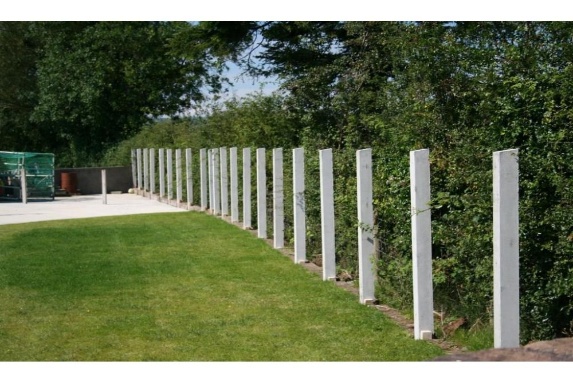
Getting your fence posts right is crucial to a secure, long-lasting fence. Posts should be set at least 600mm deep into the ground (or one-third of the total post length), using post mix or concrete to fix them firmly. Use a spirit level to ensure they’re perfectly upright, and allow the mix to set fully before attaching panels or trellis. For added durability, consider using concrete posts or applying a protective post saver sleeve around the timber. Spacing your posts evenly – typically 1.8m apart for standard panels – will help keep everything stable and tidy.

Year-Round Fencing Maintenance Tips

Fencing, like any outdoor investment, needs a little care to stay looking good and performing well:

Spring & Summer: Check for signs of wear and tear – especially after heavy rain or strong winds. Clean off algae or mildew with a stiff brush and a mild cleaner.

Autumn: Clear away leaves and debris around the base of posts to avoid rot. Make any repairs now before the harsher weather arrives.

Winter: Inspect panels for movement or leaning caused by high winds or saturated ground. Ensure trellis fixings are still secure, especially if supporting heavy climbers.

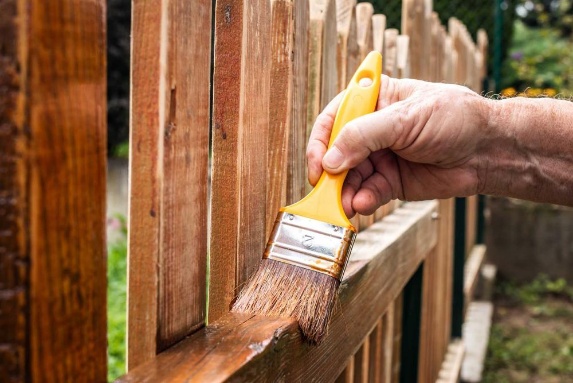
Applying a timber preservative or treatment annually can dramatically extend your fence’s lifespan – even for pressure-treated timber.

Grange Fencing Products at Chandler Materials

We stock and can source a wide range of Grange Fencing products, known for their durability and classic design. Popular options include:

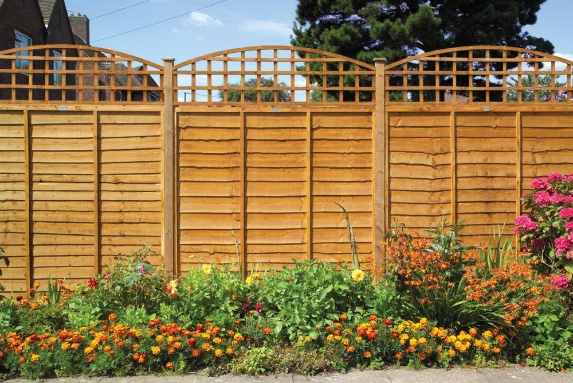
Grange Lap Panels – A timeless, cost-effective fencing solution ideal for garden boundaries.

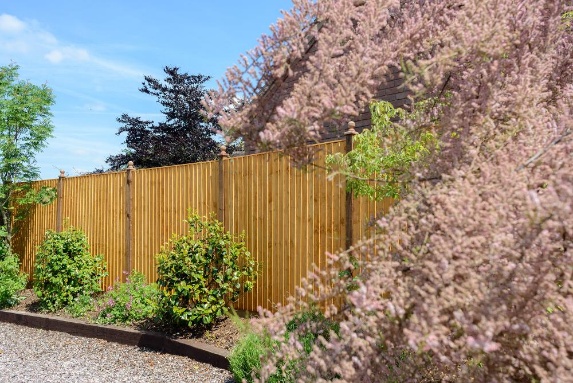
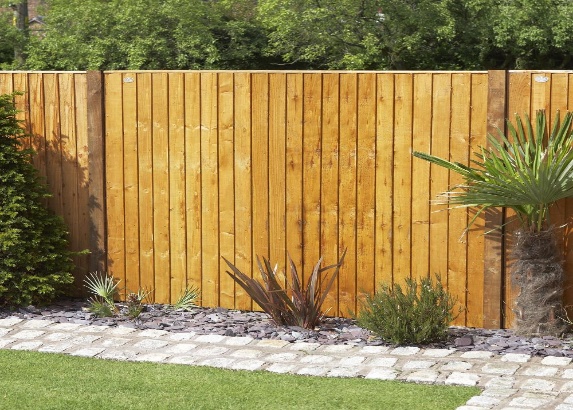
Closeboard Panels – Strong, vertical board construction for added privacy and security.

Decorative Trellis Panels – Perfect for supporting plants or adding a stylish feature to your fence line.

Concrete & Timber Posts – Everything you need to build a solid and long-lasting fence system.

Our friendly team is on hand to help you choose the right products, quantities, and fixings to complete your fencing project with confidence.

Planning your next fencing job? Visit Chandler Materials in Chelmsford or contact us today – we’re here to help with expert advice, free local delivery, and top-quality stock from brands like Grange Fencing.

Celebrating Women at Chandler Materials for International Women’s Day

Screenshot 2026 03 09

As we mark International Women’s Day on 8th March, we wanted to take the opportunity to celebrate some of the talented women across Chandler Materials who help drive our business forward every day.

The construction and building materials industry has traditionally been male-dominated, but this continues to evolve as more women build successful careers across the sector. From marketing and finance to HR and leadership roles, women are making an important impact across the industry.

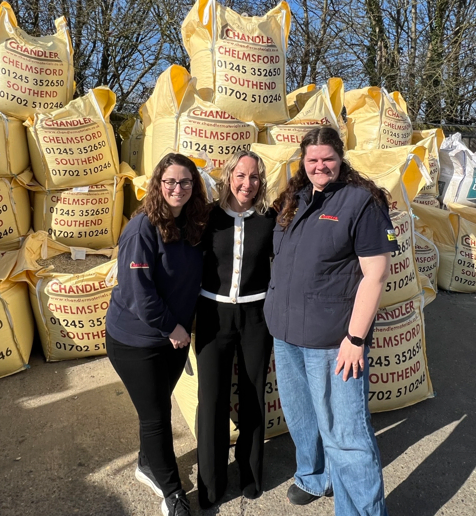
To recognise this, we spoke with three members of our team – Lauren Penney, Katie Choppen and Sara Day – about their experiences working within the construction and builders merchant industry.

Lauren Penney – Marketing & Operations Manager

Picture2

  1. What inspired you to pursue a career in the construction or builders merchant industry?
    I was inspired to join the building materials industry because my mum was in the industry. She set such a good example of how a woman can be successful in our industry & still have a family.
  2. How has working in this industry helped you grow personally or professionally?
    Working in this industry has really helped me. I’ve grown in confidence & my sense of self-worth is much higher than previously. I credit this to the numerous networking opportunities in our industry to meet genuine, and real people who all want to work together for the industry as a whole.
  3. Have you seen the industry become more inclusive over time?
    The industry is definitely more inclusive, even only over the 10 years I’ve been in the industry. When I first started out there would be only a handful of women or minorities at industry events. And although it is not a 50/50 split, there are definitely more women in the room & taking on more senior roles in our industry.

Katie Choppen – Finance Manager

Katie choppen

What has your experience been like working in a traditionally male-dominated environment?
Overall my experience has been good. I have been treated as an equal, been made to feel like my opinion matters and have been given the opportunity to progress in my role.
My dad worked in the Building Industry for over 40 years and it’s great that the industry has come a long way to be more inclusive of women so I can now do the same.

What do you enjoy most about working in the construction/builders merchant sector?
No two days are the same and the variety of my role means there is never a dull moment. That and the many conversations about football in the office.

What achievement in your role are you most proud of?
I have two:
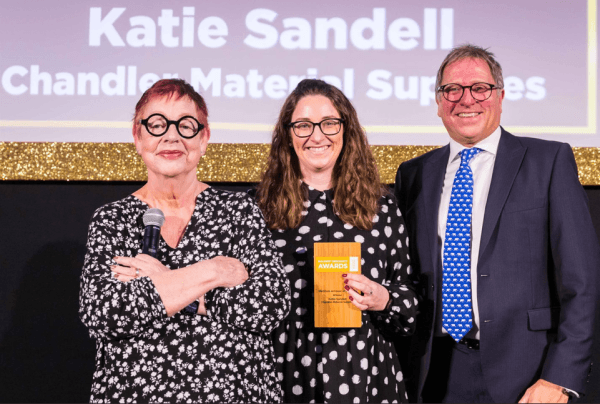
In 2024 I won the BMN Merchant Achiever of the Year award. Winning was amazing but being nominated by those I work with and for was even better!
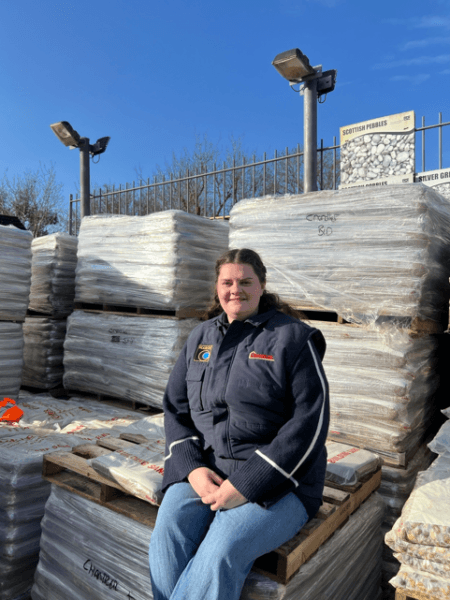
I am one of three women that hold a managerial position at Chandlers. Whilst the management team is not a 50/50 split just yet it’s great that three of us hold these positions and can bring a different perspective on a subject sometimes.

Sara Day – HR Manager

Sara day

  1. How can businesses better support women entering the industry?
    By making their business an attractive place for women to work. We have recently reviewed our family friendly policies. We offer enhanced maternity and other family friendly benefits. We provide mentors for our new joiners and the women in the company regularly meet to support each other. We promote diversity and inclusion, strive to make our advertising attractive to women, our company attractive to women and support them so they want to stay and develop their career with us.
  2. How does working in the construction and building materials industry differ from the industries you’ve worked in previously?
    I previously worked in Corporate Law firms in London so working for an independent family run merchant is completely different. I am made to feel like part of the family, as are all staff and am completely invested in wanting the company to succeed. Decisions are made collectively, there is a fantastic team spirit and I feel I can make a real difference.
  3. What skills do you think are most important for succeeding in this industry?
    Excellent communication skills are essential. To deliver first class customer service, to communicate effectively with colleagues, ensuring an efficient, joined up service. Teamworking skills are also important and the ability to adapt.

Celebrating Women in the Construction and Building Materials Industry

International Women’s Day is an opportunity to recognise the achievements and contributions of women across every industry, including the construction and building materials sector.

At Chandler Materials, we are proud of the talented women across our teams who support our customers, strengthen our business and contribute to the wider construction industry.

As the industry continues to evolve, it is encouraging to see more women entering the sector, developing their careers and taking on leadership roles.

We’re proud to celebrate the women of Chandler Materials and the important role they play in our business every day.

Choosing the Right Timber for Your Project: Treated vs. Untreated

Choosing the right uuz7z

Whether you’re building decking, crafting furniture, or constructing a timber frame, selecting the right type of wood is essential for the success and longevity of your project. The choice between treated and untreated timber can influence not only durability and safety but also your project’s budget and environmental impact.

At Chandler Materials, we understand that every project is unique — and with our Southend branch specialising in timber, we’re here to help you choose the best option for your specific needs. Plus, our in-branch timber cutting service ensures you get materials prepared to your exact measurements, saving you valuable time on site.

What Is Treated Timber?

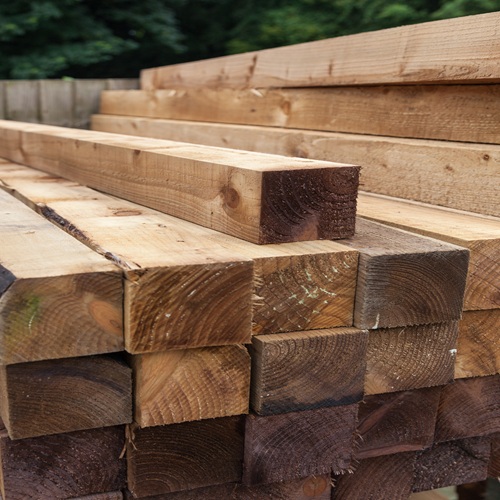
Treated timber is wood that has been infused with preservatives to guard against decay, fungi, insects, and other damaging environmental factors. The pressure-treatment process allows these protective chemicals to penetrate deeply into the timber’s fibres, making it exceptionally resistant to moisture and rot.

Because of its durability, treated timber is a popular choice for outdoor applications such as decking, fencing, landscaping structures, and garden furniture — anywhere the wood is exposed to the elements.

Modern treatment methods have also become far more environmentally conscious, using water-based preservatives and less harmful compounds to protect the wood while reducing ecological impact.

What Is Untreated Timber?

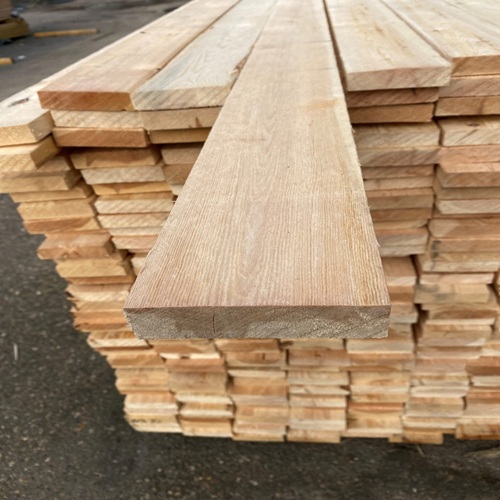
Untreated timber is wood in its most natural state, without any chemical preservatives. It’s ideal for indoor projects such as furniture, flooring, cabinetry, and interior framing — areas where the wood is protected from rain, pests, and prolonged moisture exposure.

While untreated timber retains its beautiful, natural grain and is easier to stain or finish, it does require more careful maintenance if used outdoors, as it’s more susceptible to warping, rotting, or insect damage.

Durability and Longevity

When it comes to durability, treated timber has a clear advantage in outdoor environments, often lasting for decades with minimal maintenance. Untreated timber, while still strong and dependable, is best suited for interior use or protected spaces where environmental exposure is limited.

Environmental and Safety Factors

Sustainability is always a priority at Chandler Materials. We carefully source timber from reputable suppliers who prioritise responsible forestry and use modern, low-toxicity treatment methods. While untreated timber is naturally chemical-free and environmentally friendly, treated timber today is much safer and cleaner than in years past.

For safety, it’s always recommended to wear gloves and a dust mask when cutting or sanding treated wood. (And remember — our Southend branch can cut your timber to size, so you don’t have to do it yourself!)

Making the Right Choice

Choosing between treated and untreated timber depends on where and how you’ll use it. Outdoor projects benefit from the added protection of treated timber, while indoor or decorative applications often suit the natural charm of untreated wood.

At Chandler Materials, our team is always on hand to help you make the best choice for your next build — whether it’s a small DIY job or a large construction project.