
No products in the Trolley.


Planning Your Garden Layout: Design Ideas
How to Plan Your Garden: A Step-by-Step Guide to Your Outdoor Space
Whether you’re starting with a blank canvas or refreshing a tired outdoor space, knowing how to plan your garden properly is the difference between a space you love and one that frustrates you every summer. This step-by-step guide walks you through everything, from getting your ideas down on paper to choosing the right hard landscaping materials to bring it all together.
Grab a sheet of paper (graph paper if you have it, regular A4 will do), a measuring tape, and let’s get started.
First Steps: Assess What You’ve Got
Before you decide how to use your garden space, spend time understanding it as it is right now. A good garden plan is built on knowing what you’re working with, not just what you want it to look like.
Walk around it at different times of day and take note of:
- How much sunlight each area gets. Does it get full sun, partial shade, or deep shade? Different areas of the same garden can vary dramatically.
- Drainage. Where does water pool after rain? Are there slopes that funnel water toward the house or a seating area?
- What’s already there. Established trees, existing paths, or structures you want to keep will all shape your design.
- Access. How will materials and equipment get in during the build? This matters more than people expect.
Understanding these basics will save you a lot of grief later when you’re making decisions about surfaces, levels, and layout.
Put Your Plans on Paper
The next step is to sketch your garden to scale. You don’t need to be an architect; just pace out or measure the boundaries and note them down. Mark on your sketch:
- The position of the house and any doors or windows that look out onto the garden layout are crucial for creating a cohesive space.
- Existing features (trees, fences, sheds, paths)
- North-facing direction, so you can work out where sunlight falls throughout the day
- Any slopes or changes in level
Now you can start mapping out different zones. Think about how you want to use the space:
- Closer to the house: a patio, seating area, or composite decking works well here, keeping entertaining spaces accessible and easy to flow to from indoors
- Middle sections: lawn, raised beds, borders, or a kitchen garden
- Further from the house: a more relaxed planting scheme, a pergola or trellis for structure and greenery, or storage and utility space
Thinking in zones like this helps you arrive at a cohesive look rather than a collection of unrelated ideas. It also makes it much easier to work out your paving and surface requirements early, so you can budget and order materials before the season gets busy.
Things to Consider Before You Start Buying Materials
Getting the planning right before you order anything will save you time, money, and plenty of frustration on site. Here are the key things to work through:
Levels and Ground Preparation
If your garden slopes, you’ll need to decide early whether you’re cutting into the slope, building up with raised sections, or a mix of both. Garden sleepers are a practical and good-looking solution for retaining terraced levels or creating raised beds. Sort your levels before you finalise any surface choices.
Drainage
Hard surfaces need somewhere for water to go. If you’re laying a large paved area, you’ll need to think about falls, drainage channels, or permeable options. Getting this wrong is one of the most common and costly mistakes in garden landscaping.
How You’ll Actually Use the Space
A garden that looks great in a design sketch but doesn’t suit how you live in it will always feel like it’s missing something. Be honest about whether you need:
- Space for outdoor dining and entertaining
- A low-maintenance surface that’s easy to keep clean is essential in any garden layout.
- Room for kids or pets to run around
- Separate zones for relaxing, gardening, and storage
Access for Materials and Trades
Think practically about how materials will get to site. Paving slabs, Decking boards can be integrated into your garden design for a seamless transition between indoor and outdoor spaces., and sleepers are heavy and bulky. If access is tight, this can affect what’s feasible and how long the job takes.
Landscape Design: Choosing Your Hard Landscaping
The hard landscaping elements are the foundation of any garden project. Get these right and everything else, including planting and furniture, falls into place around them.
Paving
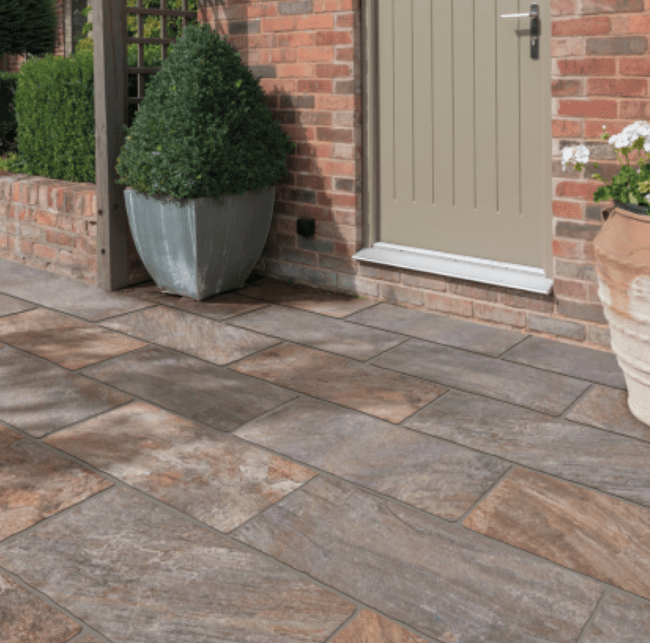
Paving defines the feel of the whole space in your garden design more than almost anything else. A contemporary large-format porcelain patio reads very differently to a traditional textured stone path. When choosing, think about how you plan a garden that suits your lifestyle and preferences.
- The style of your house. Modern properties suit clean, large-format slabs. Older or period homes often suit more natural, textured finishes.
- Colour and tone. Will it complement or contrast with your walls, fencing, and other materials?
- Practicality. Some surfaces need more maintenance than others. Smooth porcelain can be slippery when wet; textured slabs hide dirt better.
You can browse our full paving range at Essex TP Chandlers, including Bradstone ranges available to view in person or on our landscaping displays at our Southend or Chelmsford branches.
Decking: Softwood vs Composite
Decking is a great option for creating level outdoor living space, especially on sloped plots or where you want to raise a seating area. The main decision is material:
- Softwood decking is affordable and looks great when new, but requires regular treating to prevent rot and splitting over time.
- Composite decking costs more upfront but is genuinely low maintenance and resistant to rot, fading, and insect damage. Brands like NewTechWood give you the look of natural timber without the ongoing upkeep, making it a strong choice for busy households.
Garden Sleepers
Sleepers are one of the most versatile landscaping materials available. Use them to retain terraced levels on a sloped garden, build raised beds, edge a path, or add structure to a border. Essex TP Chandlers stock a range of garden sleepers suited to both functional and decorative applications.
Pergolas and Trellis
If you want to add height, shade, or a sense of enclosure to part of your garden, a pergola or trellis is worth planning in from the start rather than bolting on later. A pergola over a seating area creates a defined outdoor room. A trellis along a fence line can soften a boundary and add structure without taking up much ground space.
A Quick Checklist Before You Start Buying
Before you head to the merchant, run through these:
- Have you sketched your garden to scale and noted sun, shade, and drainage?
- Have you decided on your zones: entertaining, lawn, planting, storage?
- Have you sorted your levels and ground preparation plan?
- Have you settled on a paving or decking style that suits the house and your maintenance appetite?
- Do you know whether you need sleepers, a pergola, trellis, or other structural elements?
- Have you accounted for site access for materials and trades?
Getting all of this clear before you start spending makes the whole project run more smoothly and means far less second-guessing once work begins.
See Materials In Person Before You Decide
Colours, textures, and finishes all look different in person to how they appear on a screen or in a brochure. We have landscaping displays at our Southend and Chelmsford branches where you can compare options side by side and talk to our team about what will work for your project.
Our full landscaping and fencing range covers paving, decking, sleepers, and more: everything you need to turn your plan into a finished garden.
Good planning is what separates a garden that works from one that’s a constant source of frustration. Take the time to get it right on paper first and the build will be far more straightforward.
